Encourages flowers
BloomStimulates new flowering shoots.


Manilkara zapota, commonly known as sapodilla, sapote, chicozapote, chico, chicoo, chicle, naseberry, nispero, or soapapple, among other names, is an evergreen tree native to southern Mexico and Central America. An example natural occurrence is in coastal Yucatán, in the Petenes mangroves ecoregion, where it is a subdominant plant species. It was introduced to the Philippines during Spanish colonization. It is grown in large quantities in Mexico and in tropical Asia, including India, Pakistan, Thailand, Malaysia, Cambodia, Indonesia, Vietnam, Bangladesh, as well as in the Caribbean.
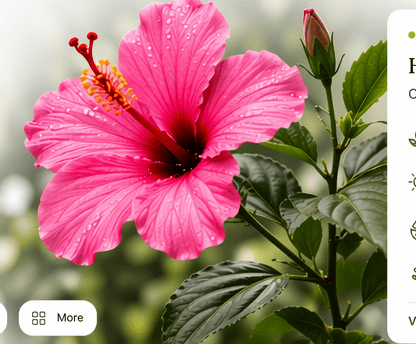
Proper pruning keeps your Hibiscus healthy, bushy, and full of flowers.
Stimulates new flowering shoots.
Encourages compact branching.
Removes diseased or damaged stems.
Reduces fungal risk.
Cut back damaged stems to healthy tissue.
Trim leggy stems to encourage new growth.
Prune to maintain a rounded form.
Pinch tips to encourage flower buds.
For clean branch cuts.
For thicker woody stems.
Protects hands while pruning.
Sterilize tools before use.