


Prevents root rot and waterlogging

आज का पौधा
Phyllanthus emblica
Indian GooseberryEvergreen
Amla एक tree है जो Phyllanthaceae परिवार से संबंधित है।
FamilyPhyllanthaceae
GenusPhyllanthus
NativeIndia
LifespanAnnual
Soil & Fertilizer Guide
The right soil and nutrients help your Indian Gooseberry thrive and grow steadily.
Best Soil for Indian Gooseberry
Choose a soil mix with the right balance of drainage, nutrition, and texture.
Supports healthy growth and strong roots
Ideal pH for nutrient absorption.
Well-draining, silt soil rich in organic matter with pH 6.0-7.5.
Soil Mix Recipe
A recommended mix for Indian Gooseberry, based on the available soil data.
 40%Garden SoilBase structure and nutrients
 30%CocopeatMoisture retention and aeration
 20%CompostOrganic nutrients and microbial life
 10%Perlite/SandDrainage improvement
Fertilizer Guide
Use the fertilizer options from this plant's soil guide and adjust by season.
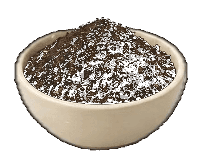
Organic Fertilizers
- Cow Manure (Every 6-8 weeks)
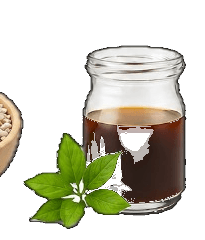
Liquid Fertilizers
- Seaweed Extract (0-0-1)
Chemical Fertilizers
- DAP (18-46-0)
- NPK 10-10-10 (10-10-10)
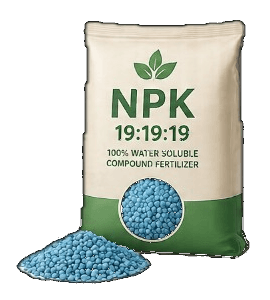
Balanced NPK for Indian GooseberryOnce at plantingIdeal Ratio N:P:K = 18-46-0
Feeding Schedule
Adjust based on season, plant age, and growth.
Seaweed Extract - Skip in winter
As per labelAdjust based on growth
As neededDAP - Skip in winter
As per labelAdjust based on growth
As neededAdjust based on growth
As neededImportant Note:Water the plant lightly before applying fertilizer.
Signs Your Indian Gooseberry Needs Better Soil or Fertilizer
Watch for these signs and take action.
Pale yellow older leaves; weak growth. Apply urea or compost tea.
Yellow leaves with green veins (interveinal chlorosis). Iron chelate foliar spray; lower soil pH.
Purple-tinged leaves; poor flowering. Add bone meal or DAP.
May indicate nutrient or pH imbalance.
Often points to low phosphorus or potassium.