


Prevents root rot and waterlogging

आजची वनस्पती
Luffa acutangula
दोडकाVine
Luffa acutangula is a cucurbitaceous vine commercially grown for its unripe fruits as a vegetable. Mature fruits are used as natural cleaning sponges. Its fruit slightly resembles a cucumber or zucchini with ridges. It is native to South Asia and has been naturalised in other regions. It is also grown as a houseplant in places with colder climates. English common English names include angled luffa, Chinese okra, dish cloth gourd, ridged gourd, sponge gourd, vegetable gourd, strainer vine, ribbed loofah, silky gourd, and silk gourd.
FamilyCucurbitaceae
GenusLuffa
NativeAsia
LifespanAnnual
Soil & Fertilizer Guide
The right soil and nutrients help your Ridge Gourd thrive and grow steadily.
Best Soil for Ridge Gourd
Choose a soil mix with the right balance of drainage, nutrition, and texture.
Supports healthy growth and strong roots
Ideal pH for nutrient absorption.
Balanced texture with organic matter and drainage.
Soil Mix Recipe
A recommended mix for Ridge Gourd, based on the available soil data.
 40%Garden SoilBase structure
 30%CocopeatMoisture retention
 20%CompostOrganic nutrients
 10%Perlite/SandDrainage
Fertilizer Guide
Use the fertilizer options from this plant's soil guide and adjust by season.
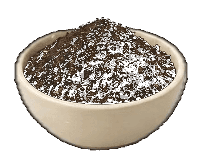
Organic Fertilizers
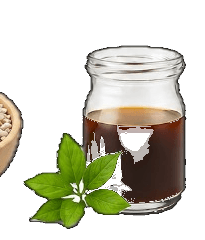
Liquid Fertilizers
Chemical Fertilizers
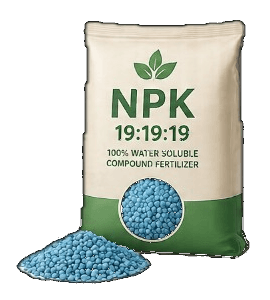
Balanced NPK for Ridge GourdApply during active growth and reduce in winter.Ideal Ratio N:P:K = Balanced
Feeding Schedule
Adjust based on season, plant age, and growth.
Adjust based on growth
As neededAdjust based on growth
As neededAdjust based on growth
As neededAdjust based on growth
As neededAdjust based on growth
As neededImportant Note:Water the plant lightly before applying fertilizer.
Signs Your Ridge Gourd Needs Better Soil or Fertilizer
Watch for these signs and take action.
May indicate nutrient or pH imbalance.
Often points to low phosphorus or potassium.
Nutrient stress or compacted soil can slow leaf size.
Can happen when salt or fertilizer builds up.
May mean insufficient nutrients or poor soil quality.